
Historical US Ports of Entry
Uncover the hidden stories of immigration beyond the iconic Ellis Island. Lesser-known ports of entry also played a vital role in shaping the American immigrant experience.
Ellis Island
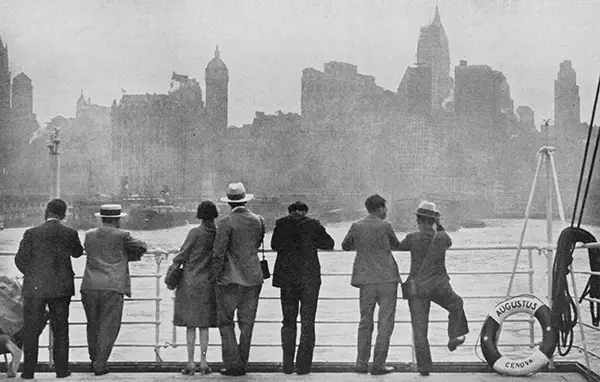
Immigration into the United States was regulated by individual states prior to 1890. Castle Garden functioned as the New York State immigration station from 1855 to 1890, during which approximately 8 million immigrants arrived. The demand eventually became too much for Castle Garden. In 1892, a new federal immigration station was established on Ellis Island.
Beyond New York
Immigrants entered the United States through over 150 official ports of entry. Learn about the 5 major ports and how many immigrants came through between 1820 and 1920.
SAN FRANCISCO
500,000 people
The majority of immigrants who sailed to San Francisco were Asian Chinese immigrants. They came mainly to work in the California Gold Rush and on the transcontinental railroad.
BALTIMORE
1,500,000 people
Baltimore became a major immigration port largely due to the construction of the Baltimore and Ohio Railroad, which linked the port of Baltimore to the Chesapeake and Ohio Canal.
PHILADELPHIA
1,200,000 people
Founded in 1682, Philadelphia grew to become Boston's rival in shipping and, for a time, was the leading port of immigration in North America until New York rose to prominence.
NEW ORLEANS
710,000 people
The rise of steamboat travel on the Mississippi River made New Orleans the best way to access America’s western interior. It also made it a rival to the major east coast ports.
BOSTON
2,000,000 people
Boston saw a major influx in the mid-1800s as Irish famine immigrants found cheap passage there. By 1879, Boston had become a distant second in US immigration behind New York.